
Content Approval Workflow: From Chaos to Growth
The average approval cycle takes 3.7 days, and teams go through 2.9 approval rounds per asset before publication. If your draft keeps bouncing between Slack...
By Ian Kiprono
The average approval cycle takes 3.7 days, and teams go through 2.9 approval rounds per asset before publication. If your draft keeps bouncing between Slack, email, and docs, that's probably why your publishing rhythm feels broken.
You finish the piece, the ideas are strong, and then the work disappears into review limbo. One person wants a tone change, another wants a compliance check, and nobody is sure who has final say. I've lived that loop, and it doesn't just slow publishing, it steadily drains audience growth because the content that should have gone live on time arrives after the conversation has moved on.
The Hidden Cost of Manual Approvals
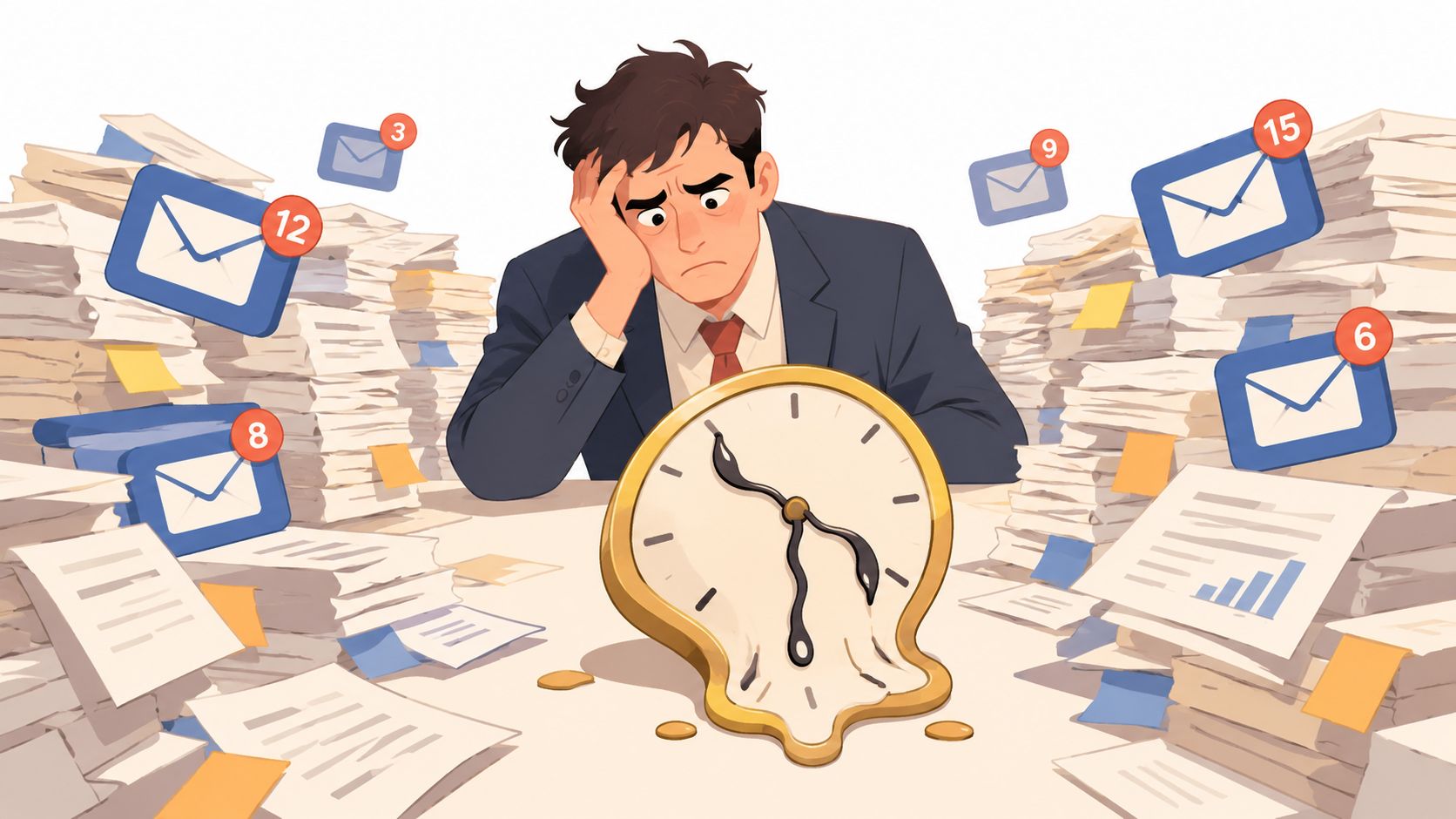
The worst part of manual approval is how normal it feels while it's happening. You spend time making a post sharp, useful, and on-brand, then the asset sits in a chain of replies while someone asks for a tweak in Slack, another reviewer comments in a doc, and a third person finally weighs in two days later.
That delay isn't a side issue, it's the core problem. A 2026 benchmark found that 74% of content requires multiple stakeholder approvals, the average chain includes 4.2 people, and teams cite approval delays as a top bottleneck in 62% of cases, with 44% calling compliance checks a major cause (benchmark details). In other words, content approval is usually a governance system, not a simple editorial handoff.
The real drag is not effort, it's fragmentation
When feedback lives in multiple places, nobody sees the full picture. The writer keeps revising the wrong thing, the approver assumes someone else already handled it, and the content drifts further from the original brief with every handoff.
Practical rule: if reviewers can't leave feedback in one place, your workflow is already too expensive.
The fix starts with accepting that this is an architecture problem. A cleaner approval path means fewer surprise edits, fewer stale versions, and less time lost to chasing people who never meant to block the work in the first place.
If you want a quick reality check on where your process sits, it helps to compare workflows and team fit through resources like features pricing and fit for teams, but the bigger move is internal. Tighten the system, and you stop treating every launch like a negotiation.
For teams building public-facing rules, the guide on social media guidelines is a useful companion because approvals work better when boundaries are documented before the first draft exists.
Designing a Modern Content Approval Workflow
A modern content approval workflow should be short enough to keep work moving and structured enough to control risk. A 2 to 4 stage model usually works better than a committee chain that revisits the same questions. Teams that cut delays with this workflow typically limit review to the people who can change the outcome.
Start with the minimum viable review path
Build the route around the actual risks in the content. Internal quality review can check clarity, structure, and brand fit. Add subject-matter or compliance review only for claims, regulated topics, or specialist accuracy. One final stakeholder should resolve remaining disagreements, then record explicit sign-off.
For a Substack newsletter, the writer owns clarity and structure, the legal reviewer checks claims only in finance or health posts, and the editor-in-chief gives final approval within 24 hours. That setup prevents every issue from reaching every reviewer.
A practical four-stage path looks like this:
- Internal quality review: check clarity, structure, and brand fit.
- Subject-matter or compliance review: validate accuracy, regulation, or claims when required.
- Final stakeholder review: give one person authority to resolve the last open issue.
- Approval sign-off: move the asset forward only after the decision is recorded.
The bottleneck is often ambiguity. If feedback sits across email, Slack, and separate documents, writers revise against stale comments and reviewers lose track of the current version. Keep decisions and comments attached to the asset.
Keep feedback in the asset, not around the asset.
That principle supports workflow design that is composable, observable, and auditable, rather than improvised during each launch (enterprise CMS workflow guide). Define the owner, review criteria, status, and next action before the draft enters a queue. The system should make missing approvals visible without relying on memory.
A documented content creation workflow can connect drafting, review, and distribution in one operating system. That integration closes the gap between approval and publishing, so a signed-off asset does not wait in another inbox.
Why Automation Beats Manual Routing
Manual routing looks controlled until a deadline exposes its weak points. Each handoff depends on inbox timing, memory, and someone knowing which reviewer still needs to act. The bottleneck is the workflow design, not the people involved.
The gap is measurable. A 2026 dataset found that agentic approval workflows averaged 1.8 days, compared with 4.7 days for manual routing, a 2.6x speed advantage. For teams shipping 50 long-form pieces monthly, that 2.9-day difference represents about 130 calendar-days of earlier publication each year (routing comparison).
Automation doesn't remove review, it removes waste
Governance still matters. Automation assigns each asset to the appropriate reviewer using rules, tags, or content type, so a post does not sit untouched because ownership is unclear. Reviewers spend time judging claims, quality, and risk instead of forwarding files and chasing status updates.
The workflow also becomes easier to plan. Creators can schedule distribution with greater confidence, particularly when content has a short shelf life. A delayed approval can make a timely article irrelevant, while a defined route keeps the decision moving.
Reminder messages rarely solve the underlying problem. They add another manual layer. A better system routes the asset automatically, records the current state, and reserves human attention for decisions that require judgment.
AI-assisted routing, compliance flags, and audit trails add useful control when they show what was checked and why. They create risk when an automated decision becomes invisible. Set rules that expose the reviewer, status, exception, and next action rather than hiding them behind a completed label.
A content automation platform such as Narrareach can help teams compare systems that reduce handoff friction while keeping approval status visible. The practical test is simple: after sign-off, can the asset reach its publishing or distribution queue without another manual transfer?
Integrating Approval with Distribution Tools
Approval shouldn't be the finish line. If a post is good enough to approve, it's good enough to feed into a distribution system that turns one idea into multiple publishable assets.

When I started treating approval as the start of distribution, the process changed fast. A Substack draft no longer ended with a single “publish” moment, it became the source for a Notes post, a LinkedIn update, and an X thread, all aligned to the same core idea.
That's where integrated tools matter. A platform like Narrareach can schedule Substack Notes, Medium articles, LinkedIn posts, and X content from one dashboard, while repurposing long-form content into short-form versions that still sound like you. That matters because the approval layer and the distribution layer stop being separate jobs.
The practical win is simple. Instead of copying the same idea into four tabs and rewriting it from scratch, you approve once, then move directly into scheduled distribution. That reduces the approval-to-post lag that usually kills momentum.
Distribution gets stronger when the workflow is connected
A tool can only help if it fits the path you already use. That's why integration matters as much as drafting speed. If your workflow can pass a finished asset into a scheduler without rework, you're more likely to publish consistently and keep the voice coherent across platforms.
For teams that live on LinkedIn, there's also value in borrowing structure from Yalc LinkedIn automation, especially when the bigger challenge is keeping follow-through organized after the approval step. Approval creates permission to ship, but integration makes sure the shipped piece keeps working.
The integration directory at Narrareach integrations is useful when you're trying to connect publishing, scheduling, and repurposing into one clean path. That's the difference between a workflow that ends at sign-off and one that supports growth.
Measuring Success and Iterating the Process
A workflow is only useful if it changes outcomes. I stopped judging approvals by how organized they looked and started watching whether they made publishing faster and more consistent.
Track the signals that matter
The first number to watch is approval cycle time. If drafts still sit in review longer than you expected, the bottleneck is usually buried in one stage, not spread evenly across the process. The second signal is where the blockage happens, because a slow internal review points to a different fix than a slow final sign-off.
Then check output quality in actual practice. If approval gets faster but audience response doesn't improve, the workflow probably isn't the problem anymore. At that point, the content itself needs a better brief, a sharper angle, or a more relevant distribution plan.
Here's a simple review set I've found useful:
- Cycle time: how long each asset waits between draft and approval.
- Bottleneck stage: which review step creates the most delay.
- Revision pattern: whether the same issues keep coming back.
- Publishing consistency: whether approved pieces get scheduled on time.
- Audience response: whether the content gets traction after release.
A useful internal check is whether reviewers are commenting on the right layer. Style notes belong in one stage, factual checks in another, and strategic changes should usually happen before the draft is almost done. If those boundaries blur, the process starts to swell again.
For a tighter metric framework, content performance metrics gives you a good way to connect approval speed to what happens after publication. The point isn't to measure everything, it's to measure the few things that reveal friction before it becomes a habit.
Best sign your workflow is working: the content leaves review without a rescue mission from the creator.
Getting Started with Your New Workflow
You don't need a giant overhaul to fix a broken approval process. You need fewer handoffs, clearer ownership, and a path from draft to distribution that doesn't require heroic follow-up.
Build the workflow in this order
- Define the lanes. Decide who approves what, and cut out anyone who doesn't need to be in the decision chain.
- Set the deadline. Give reviewers a clear response window so the asset doesn't age while people think about it.
- Choose the tool stack. Look for something that can handle scheduling, repurposing, and publishing without forcing you to rebuild the same content manually.
- Document the standards. Create templates for common content types so reviewers know what they're checking.
- Review monthly. Watch where the process slows down and adjust the rules before the slowdown becomes permanent.
The biggest shift happens when you stop treating approval like a courtesy and start treating it like an operating system. That means the workflow isn't a static rulebook, it's a live structure that protects your time and keeps good ideas moving.
If you're still publishing through email threads and disconnected comments, Narrareach can help connect approval, scheduling, and cross-platform distribution in one place. Visit Narrareach if you want a cleaner path from draft to published post, and a lower-friction way to turn one approved idea into more reach across Substack, LinkedIn, Medium, and X.